Source transparent no punch router bracket for mounting, support, and assembly
Compare 30 transparent no punch router bracket options from verified Chinese manufacturers. Buyers can evaluate stainless steel and metal materials, powder coating finishes, and custom processing services for diverse industrial applications; compare the available evidence and request quotations based on your requirements.
Key considerations
Products List




Comprehensive Sourcing Guide
Transparent No Punch Router Bracket Sourcing Guide
Sourcing transparent no punch router brackets requires a nuanced understanding of both the optical clarity demands of the material and the mechanical integrity needed for secure mounting. These components are typically utilized in environments where visual aesthetics are paramount, such as high-end retail displays, modern office partitions, or specialized equipment housings where the mounting hardware should remain unobtrusive. The "no punch" designation implies a design that avoids traditional drilling, often relying on adhesive bonding, clamping mechanisms, or specialized slot-based installations to preserve the structural and visual continuity of the transparent substrate. Buyers must recognize that while the term suggests a specific installation method, the actual engineering solution may vary significantly between suppliers, necessitating careful verification of the mounting mechanism before committing to a bulk order.
The procurement landscape for these brackets is characterized by a mix of standard industrial components and highly customized solutions. While the core keyword emphasizes transparency and non-invasive mounting, the broader market for metal and plastic brackets often includes stainless steel, iron, and various polymers with powder-coated or zinc-plated finishes. Buyers should be aware that many suppliers listing similar items may offer heavy-duty metal brackets rather than true transparent polymer solutions. Therefore, the initial sourcing phase must focus on filtering for materials that genuinely meet the transparency requirement, such as polycarbonate or acrylic-based mounts, while ensuring that the "no punch" feature is achieved through engineered clips or adhesive-compatible surfaces rather than simple mechanical fasteners that would require drilling.
Product Scope and Observed Listing Signals
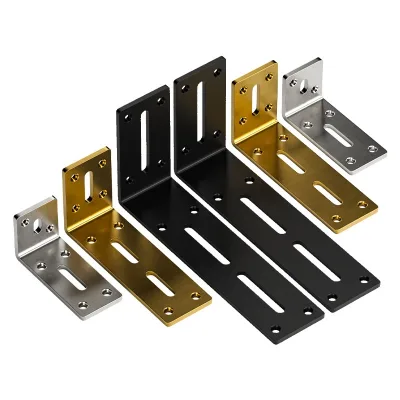
The observed market signals indicate a wide variance in product specifications, with price points ranging from $0.09 to $110 USD and minimum order quantities (MOQs) spanning from 1 to 5,000 units. This broad range suggests that the category encompasses everything from simple, low-cost plastic clips to complex, heavy-duty metal brackets with custom engineering. High-confidence data points reveal that many listed items are made from stainless steel, iron, or metal with surface treatments like powder coating or zinc plating, which contradicts the "transparent" aspect of the core keyword. Buyers must carefully distinguish between listings that offer true transparent materials and those that provide opaque metal alternatives, as the latter may be listed under similar search terms due to overlapping functional requirements in general bracket applications.
Further analysis of the listing data shows that many products are categorized as wall brackets, stands, or machine parts, with model numbers such as JNT-B301 and YS3261. The presence of certifications like ISO, CE, and CCC indicates that some suppliers adhere to international quality and safety standards, which is crucial for industrial applications. However, the "no punch" feature is not explicitly detailed in the standard attribute lists, requiring buyers to dig deeper into product descriptions or request specific technical drawings. The single package size of 31x25x20 cm and gross weights around 0.500 kg suggest that these are relatively compact components, but the weight range of 0.075kgs to 2.53kgs per piece highlights the diversity in material density and design complexity available in the market.
Technical Specifications to Verify
When evaluating technical specifications, the first critical step is to confirm the material composition, as the term "transparent" can be misleading if applied to coated or translucent metals. Buyers should verify whether the bracket is made from polycarbonate, acrylic, or a specialized polymer that offers the necessary clarity and impact resistance. If the supplier lists stainless steel or iron, it is essential to determine if the transparency refers to a specific design feature, such as a clear adhesive pad, rather than the bracket itself. Additionally, the surface treatment process, whether it is powder coating, spraying, or zinc plating, must be compatible with the intended environment, especially if the bracket will be exposed to moisture or chemicals, as these treatments can affect the longevity and appearance of the component.
The mounting mechanism is another vital technical aspect that requires detailed verification. Since the core keyword specifies "no punch," buyers must ensure that the bracket utilizes a non-destructive installation method, such as a clamp, adhesive, or slot-in design, to avoid damaging the transparent substrate. It is crucial to request detailed drawings that show the tolerance levels, which some suppliers list as precise as 0.01mm, to ensure a snug fit without excessive play. Furthermore, the structural integrity of the bracket, including its load-bearing capacity and dimensions, must be assessed against the specific requirements of the router or device being mounted. Buyers should also inquire about the customization options available, as standard sizes may not always accommodate unique router models or spatial constraints.
Compliance and Safety Documentation
Compliance and safety documentation are essential for ensuring that the transparent no punch router brackets meet the regulatory requirements of the target market. Buyers should request certificates of conformity, such as ISO, CE, or CCC, which indicate that the product has undergone rigorous testing for quality and safety. These certifications are particularly important for industrial applications where the failure of a mounting component could lead to equipment damage or safety hazards. It is also advisable to verify if the materials used in the bracket are RoHS compliant, ensuring that they do not contain hazardous substances that could pose environmental or health risks during disposal or use.
In addition to general certifications, buyers should seek specific test reports related to the bracket's performance under load and environmental stress. This includes data on tensile strength, impact resistance, and thermal stability, which are critical for transparent materials that may be more susceptible to cracking or deformation under stress. Suppliers should provide documentation that confirms the bracket's ability to withstand the weight of the router and any additional forces applied during operation. Furthermore, if the bracket is intended for use in specific industries, such as healthcare or food processing, buyers should verify that the materials are suitable for those environments, ensuring they are non-toxic and easy to clean.
Cost Drivers and Commercial Terms
The cost of transparent no punch router brackets is influenced by several key factors, including the material type, manufacturing process, and level of customization. High-quality polymers like polycarbonate are generally more expensive than standard plastics, and the precision required for "no punch" mounting mechanisms can drive up production costs. Buyers should also consider the surface treatment and finishing options, as processes like powder coating or specialized polishing can add to the overall price. Additionally, the complexity of the design, including any custom features or unique dimensions, will impact the unit cost, with more intricate designs requiring more advanced tooling and longer production times.
Commercial terms, such as minimum order quantities (MOQs) and lead times, also play a significant role in the total cost of ownership. Suppliers may offer lower unit prices for larger orders, but buyers must balance this with their inventory management capabilities and cash flow constraints. Lead times can vary widely, with some suppliers offering delivery within 25-35 days, while others may have longer production cycles for custom orders. Buyers should negotiate clear terms regarding payment methods, shipping responsibilities, and return policies to mitigate financial risks. It is also important to inquire about any additional costs for packaging, such as carton, pallet, or wooden case options, as these can add to the overall expense, especially for international shipments.
Supplier Qualification and Quality Control
Supplier qualification is a critical step in ensuring the reliability and consistency of transparent no punch router brackets. Buyers should conduct thorough due diligence on potential suppliers, verifying their business licenses, production capabilities, and quality management systems. It is advisable to request samples to evaluate the product's quality, transparency, and mounting mechanism before placing a bulk order. Suppliers with a proven track record in manufacturing similar components, particularly those with certifications like ISO, are generally more reliable. Additionally, buyers should assess the supplier's ability to provide technical support and after-sales service, as this can be invaluable in resolving any issues that may arise during installation or use.
Quality control measures should be clearly defined and agreed upon with the supplier to ensure that the products meet the specified standards. This includes establishing clear acceptance criteria for visual defects, dimensional accuracy, and functional performance. Buyers should request inspection reports or conduct third-party inspections before shipment to verify that the products conform to the agreed-upon specifications. It is also important to establish a process for handling non-conforming products, including procedures for returns, replacements, or refunds. By implementing robust quality control measures, buyers can minimize the risk of receiving defective products and ensure that the transparent no punch router brackets perform as expected in their intended applications.
Long-Term Procurement Checks
Long-term procurement checks are essential for maintaining the quality and reliability of transparent no punch router brackets over time. Buyers should establish a regular review process to assess supplier performance, including metrics such as on-time delivery, product quality, and responsiveness to issues. This ongoing evaluation helps identify any trends or recurring problems that may require corrective action. Additionally, buyers should stay informed about changes in industry standards and regulations that may affect the product, ensuring that the brackets remain compliant with current requirements. Regular communication with the supplier can also help in identifying new product developments or improvements that may benefit the buyer's operations.
Furthermore, buyers should consider the lifecycle of the product and plan for future needs, such as replacements or upgrades. This includes maintaining a buffer stock of critical components to avoid production delays in case of supply chain disruptions. It is also advisable to diversify the supplier base to reduce dependency on a single source, thereby mitigating the risk of supply shortages or price fluctuations. By implementing these long-term procurement strategies, buyers can ensure a stable and reliable supply of transparent no punch router brackets, supporting the continuous operation of their equipment and maintaining high standards of quality and safety.
FAQs
What materials are used for these brackets?
The brackets are constructed from stainless steel, iron, and general metal components. This combination ensures durability and resistance to corrosion. The material selection supports heavy-duty applications while maintaining structural integrity under load. Surface treatments like powder coating further enhance longevity and aesthetic appeal for industrial environments.
Can these brackets be customized for specific needs?
Yes, customization is available for these brackets. Buyers can request specific dimensions, surface finishes, or structural modifications. The manufacturer supports custom processing based on provided drawings. This flexibility allows for tailored solutions that meet unique engineering requirements and integration constraints within various machinery or mounting setups.
What certifications do these products hold?
These products hold ISO, CE, and CCC certifications. These standards verify compliance with international quality and safety regulations. The certifications ensure that the manufacturing processes and final products meet rigorous industry benchmarks. This documentation provides buyers with confidence in the product's reliability and suitability for regulated markets and applications.
What is the typical lead time for orders?
The typical delivery time ranges from 25 to 35 days. This timeframe accounts for production, quality control, and packaging processes. Buyers should plan their procurement schedules accordingly to align with project timelines. Expedited options may be available depending on order volume and specific manufacturing capacity constraints at the time of purchase.
How are these brackets packaged for shipping?
Brackets are packaged in cartons, pallets, wooden cases, or bulk packing. The single package size is approximately 31x25x20 cm. Carton weight is limited to 25 kg per unit to ensure safe handling. This versatile packaging approach protects the products during transit and accommodates various logistics requirements for international and domestic shipments.
What is the minimum order quantity for these items?
The minimum order quantity ranges from 1 to 5000 units. This wide range accommodates both small trial orders and large-scale industrial procurement. Buyers can select quantities that best fit their budget and inventory needs. The flexibility in MOQ allows for scalable sourcing strategies without requiring excessive initial capital investment for bulk purchases.